Free Downloadable 15 Minute Pilates Foam Roller Lesson Plan: Created Using The Online Pilates Lesson Planner
The free downloadable Pilates lesson plan (see below) was created by one of our members using the Online Pilates Lesson Planner. There are 100,000+ shared Pilates lesson plans within the Planner – and new ones are added every week!
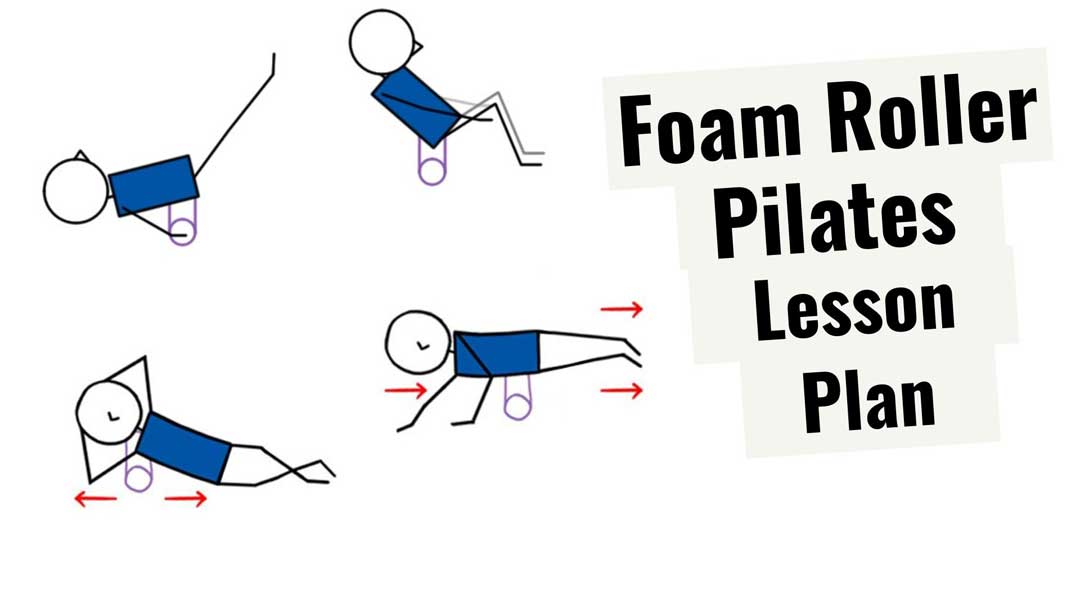
Free Downloadable Foam Roller Lesson Plan
15 Minute Pilates Foam Roller Lesson Plan (long version PDF)
15 Minute Pilates Foam Roller Lesson Plan (short version PDF)
The Pilates Foam Roller Card Deck
If you liked the Foam Roller Lesson Plan, you’ll absolutely love the Pilates Foam Roller Card Deck because it’s a versatile and valuable tool for Pilates enthusiasts and teachers alike.
With options to adapt, modify, and personalise your practice, this deck ensures that every workout can be unique, challenging, and fulfilling. Incorporating these cards into your routine can bring structure, creativity, and growth to your Pilates journey, helping you become stronger, more balanced, and flexible.
If you’re ready to deepen your practice or add variety to your Pilates sessions, the Pilates Foam Roller Card Deck is an ideal choice.
The deck provides structured guidance while offering endless possibilities for customisation, making it perfect for both at-home workouts and professional classes. Start using the deck today and discover the transformative power of consistent, mindful Pilates foam rolling.
21 Tips on How to Use the Pilates Foam Roller Card Deck
The Pilates Foam Roller Card Deck is a versatile tool designed to help Pilates practitioners and instructors add variety, depth, and creativity to their foam roller workouts. Whether you’re a beginner looking to learn the basics, an instructor seeking fresh ideas, or an advanced practitioner aiming to deepen your practice, these cards are packed with potential.
Here are 21 tips to get the most out of your Pilates Foam Roller Card Deck:
1. Start with a Warm-Up Routine
Before diving into more challenging moves, use the card deck to choose a few gentle stretches or mobility exercises as a warm-up. Cards like “Back Massage Foam Roller” or “Cat Stretch Foam Roller” can help activate muscles and prepare your body for the session ahead.
2. Choose a Theme for Your Session
For variety, create themed sessions by focusing on specific goals like “Core Strengthening,” “Flexibility and Stretching,” or “Balance and Coordination.” The colour-coded borders on the cards make it easy to select exercises that align with your chosen theme.
3. Plan Your Flow with the Card Deck
Use the cards to build a cohesive flow by arranging them in a logical sequence. Start with gentle stretches, move into core and stability exercises, and finish with balance or relaxation moves. This way, you’ll create a smooth and enjoyable workout.
4. Experiment with Exercise Modifications
If an exercise feels too challenging, look for a modification within the deck. The cards offer beginner, intermediate, and advanced versions, so you can adapt exercises based on your current fitness level or mood that day.
5. Combine Cards for Full-Body Workouts
For a well-rounded session, combine exercises from each category—Core & Stability, Flexibility & Stretching, and Balance & Coordination. This will ensure that you’re hitting multiple muscle groups and addressing various aspects of fitness.
6. Set a Timer for Each Card
If you’re short on time, set a timer for each exercise card (e.g., 1 minute per card). This way, you can enjoy a structured workout without needing to keep track of reps or time individually.
7. Focus on Your Breath
Breathing is essential in Pilates. Each card includes instructions to remind you when and how to breathe. Pay close attention to these cues as they enhance the movement, improve focus, and help you achieve better results.
8. Practice Mindful Movement
Take time to move mindfully with each exercise card. Read through the instructions on the card, focusing on alignment and engagement, and make each movement intentional. This focus can improve body awareness and control.
9. Use the Cards for Targeted Muscle Groups
Select cards that target specific muscle groups if you want to focus on a particular area. For example, “Leg Circles Foam Roller” and “Inner Thigh Squeeze Foam Roller” are great for lower body work, while “Oblique Crunches Foam Roller” targets the sides.
10. Incorporate into Your Cool-Down Routine
After a workout, choose some stretching-focused cards to wind down. Cards like “Hamstring Stretch Foam Roller” or “Low Back Stretch Foam Roller” are perfect for gently lengthening muscles and aiding recovery.
11. Create a Mini Challenge
If you’re looking for a quick burst of intensity, use the card deck to create a 5-minute mini challenge. Pick three or four challenging cards and cycle through them with minimal rest, focusing on a particular aspect like core endurance or upper body stability.
12. Mix and Match for Custom Workouts
For a fresh workout every time, shuffle the cards and draw a set number randomly. This way, you’ll never repeat the same sequence, adding an element of surprise to your Pilates practice.
13. Use the Cards for Progress Tracking
Select a few cards to practice consistently over a few weeks, and track your progress. As the exercises become easier, move on to more advanced cards or increase the repetitions. This can be a motivating way to see your improvement.
14. Incorporate Card Deck Workouts into Your Pilates Classes
If you’re an instructor, bring the Pilates Foam Roller Card Deck to your classes for variety. Let students draw cards for an interactive element, or use them as prompts for themes in each session.
15. Focus on Balance and Coordination with Red-Bordered Cards
Balance exercises are essential for Pilates, and the red-bordered cards in this deck are dedicated to balance and coordination. Incorporate a few of these exercises regularly to improve your body’s stability and proprioception.
16. Take the Cards on the Go
The card deck is compact and portable, making it ideal for travel. Bring it with you for a quick Pilates session in a hotel room or outdoor space, and enjoy the freedom to work out anywhere.
17. Pair Cards with Other Pilates Equipment
For added variety, combine foam roller exercises with other Pilates props like resistance bands or small weights. Using props can add a new dimension to the exercises and deepen your strength and stability work.
18. Create a Family-Friendly Pilates Routine
If you’re looking to involve family members in Pilates, choose some basic cards and create a short routine for all ages and skill levels. Foam rolling can be a fun way to introduce kids to Pilates or encourage loved ones to join your practice.
19. Use Cards for Pre- or Post-Workout Routines
The Pilates Foam Roller Card Deck is not only a workout in itself; it’s also a great supplement to other exercises. Use the stretching cards before or after your main workout to improve flexibility and aid muscle recovery.
20. Select Restorative Cards for a Relaxing Evening Routine
If you want a calming session at the end of a long day, choose cards with gentle stretching and relaxation exercises. Cards like “Child’s Pose Foam Roller” and “Supine Twist Foam Roller” are perfect for winding down and relieving tension.
21. Challenge Yourself with Advanced Exercises
Once you’re comfortable with the beginner and intermediate exercises, dive into the advanced cards. These moves will push your body, enhance your strength, and refine your Pilates practice. Advanced exercises often require better core control and balance, so use these cards when you’re ready for a challenge.
Online Pilates Lesson Planner
Start creating your own pilates lesson plans with the Online Pilates Lesson Planner.


George Watts
Latest posts by George Watts (see all)
- Pilates Common Mistakes: Free 34 Exercise Correction Guide - July 6, 2026
- Pistol Squat With Resistant Band + 30 Pilates Exercise Cards - June 21, 2026
- Leg Extension With Straight Leg Band + 30 Pilates Exercise Cards - June 21, 2026